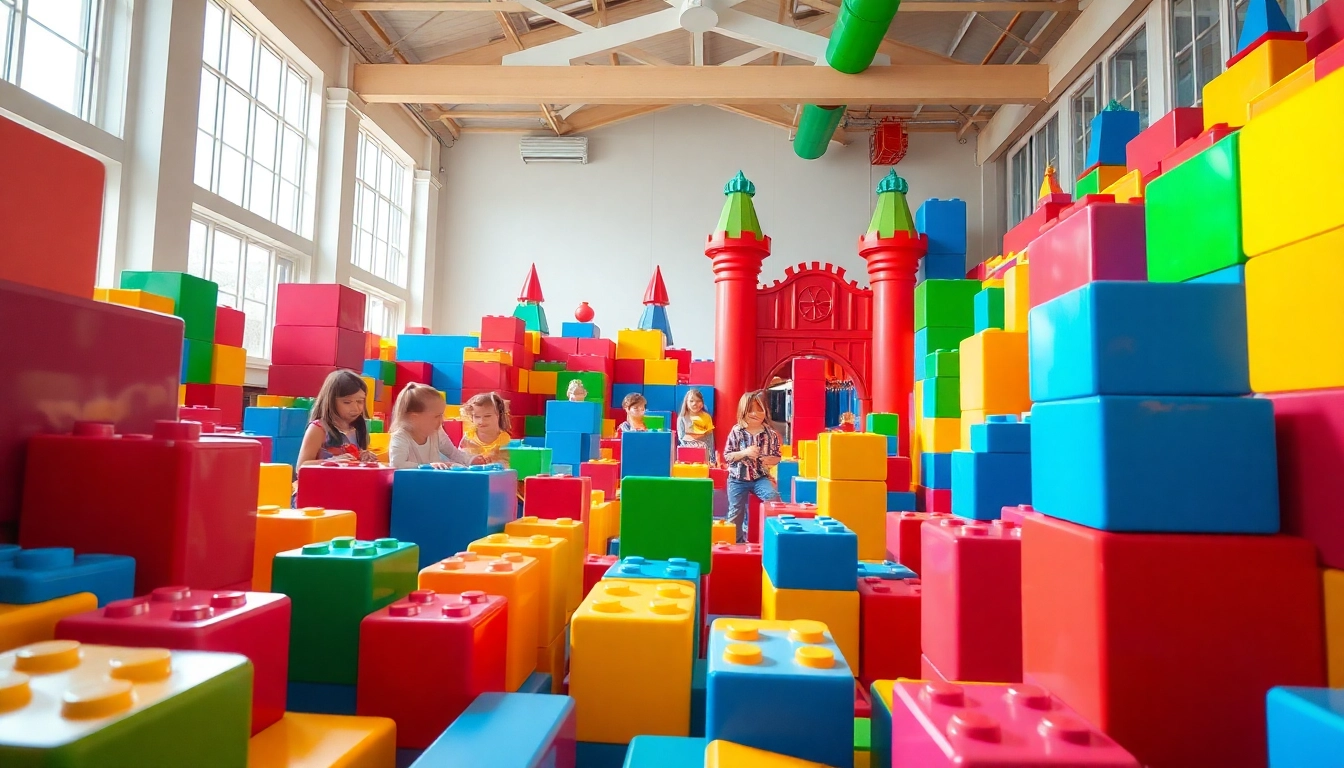
Introduction to Giant Building Blocks
In a world where digital play often captivates young minds, the timeless allure of physical play remains powerful and impactful. This is especially true for giant building blocks, which not only captivate children with their colorful presence but also serve as a tool for creative exploration and learning. By engaging in hands-on activities with these large blocks, children can develop essential skills while enjoying endless fun. To dive deeper into the benefits and possibilities of giant building blocks, discover more about how these versatile toys can enrich playtime.
What Are Giant Building Blocks?
Giant building blocks are large, interlocking pieces made from various materials such as foam, plastic, or wood, specifically designed for young children. Their size makes them easy to manipulate and stack, fostering an interactive play environment. Unlike traditional building toys, these oversized blocks provide a unique hands-on experience that sparks imagination and encourages collaborative play among peers.
Importance of Play in Child Development
Play is more than just a pastime; it is integral to a child's development. Through playful activities, children learn crucial skills such as problem-solving, social interaction, and motor coordination. Play helps cultivate creativity and offers a safe space for emotional expression. The creative freedom granted by giant building blocks allows children to explore their ideas, test their limits, and develop critical thinking skills as they engage in storytelling and role-playing. Furthermore, play enhances cognitive abilities, promoting learning through experiential scenarios.
Benefits of Using Giant Building Blocks
The advantages of giant building blocks extend well beyond mere enjoyment. Key benefits include:
- Physical Development: Handling blocks encourages gross motor skills, balance, and coordination.
- Cognitive Skills: Blocks promote spatial awareness, problem-solving, and strategic thinking.
- Social Interaction: Engaging in group play nurtures communication skills, teamwork, and conflict resolution.
- Emotional Growth: Building fosters confidence and a sense of achievement as children create and complete structures.
- Creativity and Imagination: The open-ended nature of play with blocks ignites creativity, allowing kids to design their own worlds.
Creative Ways to Use Giant Building Blocks
Free Play Scenarios
Free play scenarios allow children to explore their creativity without boundaries. Here are a few ideas to enhance free play with giant building blocks:
- Construction Zones: Create designated areas where children can freely build using the blocks, encouraging spontaneous creation.
- Story Settings: Prompt children to create settings for their favorite stories, allowing them to merge narrative with physical space.
- Open-Ended Challenges: Provide themes for building projects such as castles, houses, or spaceships, but leave the rest up to the children's imagination.
Structured Play Activities
Structured play activities guide children toward specific goals while still promoting creativity. Implement the following structured activities:
- Building Competitions: Organize friendly competitions where children race to build structures based on criteria like height, stability, or creativity.
- Team Projects: Divide children into teams to collaboratively construct a large structure, fostering teamwork and communication skills.
- Architectural Lessons: Introduce concepts of balance and stability through lessons that involve building with the blocks, enhancing their understanding of basic engineering principles.
Themed Building Challenges
Themed challenges can add an exciting layer to block play by engaging children's imaginations. Some ideas include:
- Seasonal Themes: For instance, design winter wonderlands or summer beach houses around the seasonal changes.
- Famous Landmarks: Encourage children to recreate famous buildings or structures from around the world, integrating geography into play.
- Fantasy Worlds: Inspire creativity by building settings from their favorite fantasy books or movies, allowing for immersive storytelling.
Safety Tips for Indoor Play with Building Blocks
Choosing Safe Materials
When selecting giant building blocks, safety should be a primary concern. Choose blocks made from non-toxic, durable materials that can withstand rough play. Look for certifications indicating that the blocks meet safety standards to ensure they are suitable for young children.
Creating a Safe Play Environment
To create a safe play area, consider the following tips:
- Surface Selection: Use soft surfaces, such as foam mats or carpets, to cushion any falls during play.
- Clear Obstacles: Keep the play area free from hazards and obstacles that could pose tripping or falling risks.
- Defined Boundaries: Set clear boundaries for play areas to help children understand the safe space designated for their activities.
Supervision and Involvement
Adult supervision is vital during block play. Engaging in play with children can enhance their experience, providing guidance and encouraging collaborative activities. Active involvement can help you monitor safety, facilitate learning, and foster emotional bonds during playtime.
Innovative Designs and Themes for Block Play
Customizable Block Kits
Customizable block kits allow children to personalize their play experience, offering various block shapes, colors, and themes. Consider investing in kits that allow for interchangeable parts so children can create unique structures that suit their interests and preferences. This flexibility encourages creativity and can lead to more engaged play.
Themed Play Areas
Creating themed play areas using giant building blocks can captivate children’s imaginations. Consider outfitting a room or outdoor space with styled elements such as:
- Jungle Adventure: Use green and brown blocks to create a jungle theme where kids can build trees and animal habitats.
- Space Exploration: Incorporate stars and planets as themes, encouraging children to build rockets and space stations.
- Underwater World: Use blue and translucent blocks to mimic water, allowing kids to create underwater villages or marine research stations.
Incorporating Technology in Play
Utilizing technology can add a modern twist to traditional block play, enhancing engagement among young builders. Some innovative approaches include:
- Augmented Reality Apps: Use apps that allow for interactive play experiences, such as digitally enhancing their structures or offering building guides.
- Video Challenges: Create video challenges where children film their building process and share it with peers, encouraging public speaking and presentation skills.
- Design Software: Introduce simple design software that teaches children how to conceptualize their build before getting hands-on with the blocks.
FAQs about Giant Building Blocks
What age group are giant building blocks suitable for?
Giant building blocks are suitable for children aged 2 and up, offering versatile play opportunities.
How do giant blocks enhance learning?
They promote cognitive skills, creativity, and teamwork through fun, interactive play experiences.
Are these blocks safe for indoor use?
Yes, when made from non-toxic materials, giant blocks are safe for indoor play areas.
Can adults join in?
Absolutely! Adults can engage in play, fostering bonding and creating memorable experiences.
How to store giant building blocks?
Store blocks in a dedicated container or shelf to keep play areas organized and clutter-free.