Understanding Delta Wine Grapes California
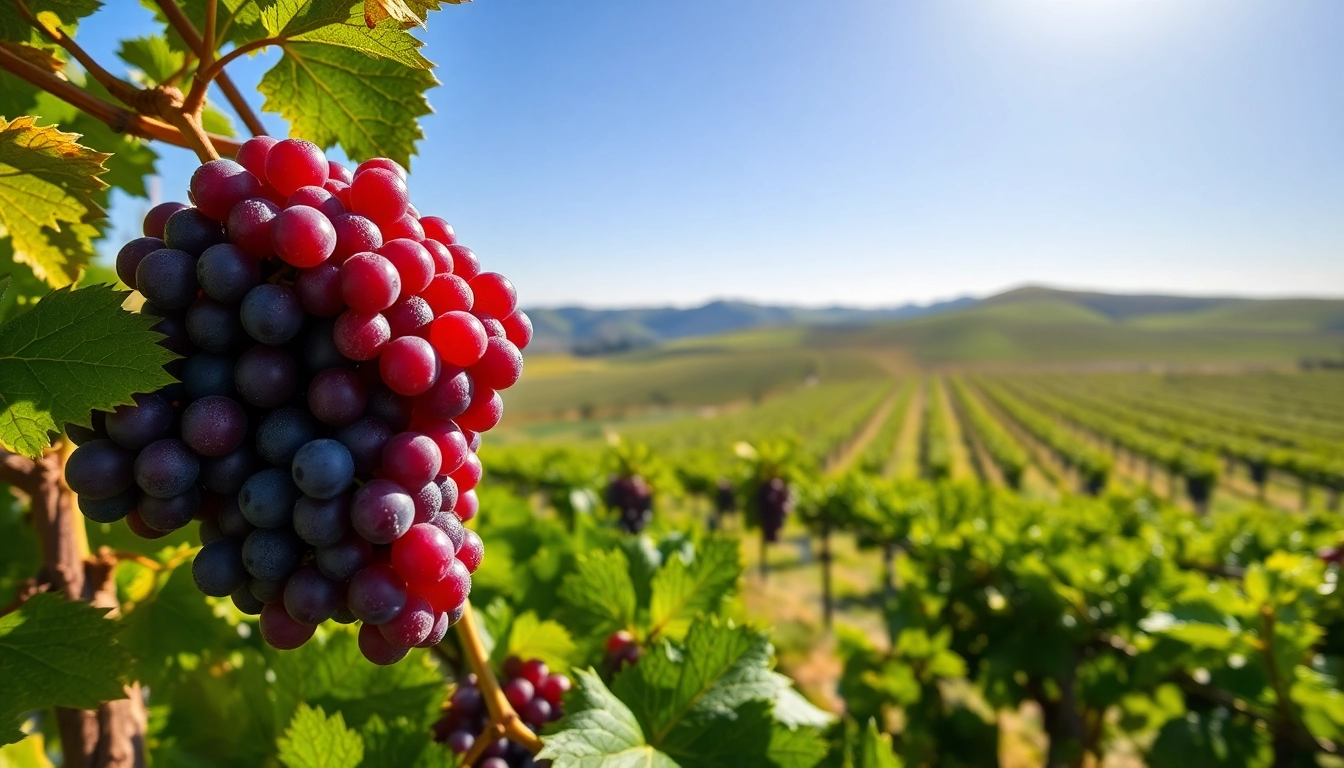
Delta wine grapes, cultivated in California, represent a unique sector of the state's vast viticulture landscape. This region, with its rich soil and favorable climate, creates ideal conditions for diverse grape varietals, notably known for their distinct flavors and quality. For enthusiasts looking to explore, delta wine grapes california offer a superb choice, embodying the intricate characteristics that define California wines.
Geographic Overview of Delta Wine Regions
The California Delta wine region spans a sprawling area characterized by its unique geography, which influences both grape cultivation and wine production. Nestled between the Sacramento and San Joaquin rivers, the Delta comprises a network of islands and waterways. This setting creates a microclimate that is particularly beneficial for viticulture.
The region benefits from the influences of both the Sierra Nevada Mountains and the Pacific Ocean. The proximity to water helps moderate temperatures, providing warm days and cooler nights—ideal growing conditions for grapes. Farm to the east, the regions of Lodi and Clarksburg are notable for their established wine production. Lodi, in particular, is recognized as an AVA (American Viticultural Area), while the Delta embraces emerging wineries and local vineyards that contribute significantly to California’s wine reputation.
Key Varietals Grown in the Delta
Upon exploring the Delta’s offerings, one can encounter an impressive diversity of grape varietals. Among the most prevalent are:
- Chardonnay: Highly favored for its versatility and ability to reflect terroir.
- Merlot: Known for its smooth flavors and aromatic complexities.
- Cabernet Sauvignon: This varietal offers robust flavors and is cherished for its aging potential.
- Zinfandel: Often characterized by bold fruit notes and spicy undertones, it's a local favorite.
- Pinot Noir: Appreciated for its delicate balance and nuanced profiles, frequently sought after by wine aficionados.
The cultivation practices in the Delta allow these varietals to flourish, producing grapes that are both high in quality and flavorful. The combination of soil composition and climate contributes to their unique characteristics, setting them apart from grapes grown in other regions of California.
Climate's Impact on Grape Quality
The climate of the Delta significantly shapes grape quality. The Mediterranean climate, with its hot, dry summers and cool, wet winters, creates an environment where grapes can ripen fully. During the growing season, warm temperatures promote sugar accumulation within the grapes, while cooler nights help preserve acidity and balance.
Additionally, the Delta often experiences morning fog and afternoon breezes originating from the rivers, which create a distinct diurnal temperature variation. This variation allows for a long, leisurely ripening period, resulting in grapes with concentrated flavors and aromas. Winemakers often highlight these unique regional qualities when crafting their wines, establishing distinct profiles that resonate with consumers.
Harvesting Delta Wine Grapes California
Optimal Harvest Times and Techniques
The grape harvest in the Delta typically occurs from late August through October, depending on the varietal and climatic conditions of the growing season. Understanding the signs of ripeness—such as sugar content, acidity levels, and flavor complexity—is crucial for determining the perfect harvest time.
Harvesting techniques vary based on the winemakers' goals and the specific varietals being cultivated. Hand harvesting remains a popular method in premium wine production, allowing for careful selection of grapes and minimizing damage. In contrast, mechanical harvesting is also utilized, particularly in larger vineyards, where efficiency is prioritized.
Challenges in Grape Picking
Harvesting Delta wine grapes, while rewarding, comes with its own set of challenges. Weather conditions can greatly impact grape maturity, causing variability in harvest times. Rain or prolonged wet conditions may lead to increased disease pressures, particularly for susceptible varietals.
Furthermore, the labor-intensive nature of hand harvesting can lead to labor shortages, especially during peak harvest season. Many vineyards are increasingly turning to advanced agricultural technologies, including machine learning and drone observation, to streamline their picking processes and enhance efficiency.
Innovative Harvest Technology
Innovation plays a crucial role in modern grape harvesting. Advances in agricultural technology enable vineyard owners to utilize tools like moisture sensors, infrared cameras, and predictive modeling software. These technologies assist in determining optimal harvest times, evaluating grape health, and developing strategies to improve yield quality.
Moreover, many vineyards are exploring the use of robotics for harvest automation, which could alleviate some challenges associated with labor shortages. These automated systems can not only pick grapes but also evaluate their quality, further enhancing efficiency in the harvesting process.
Wine Production Techniques for Delta Grapes
Fermentation Processes Explained
The fermentation process is essential in transforming grape juice into wine, and the methods employed can significantly influence the final product. In the Delta, many winemakers embrace both traditional and modern fermentation techniques to achieve distinct character in their wines.
Primary fermentation typically occurs in stainless steel tanks or oak barrels. The choice of vessel can impart different characteristics to the wine; stainless steel preserves freshness and fruitiness, while oak can add complexity through flavor integration and subtle spice notes.
Some producers experiment with wild fermentation, allowing indigenous yeast strains to carry out the process. This method can lead to unique, unexpected flavor profiles that reflect the vineyard’s terroir.
Barrel Aging and its Influence
Barrel aging is a pivotal step in the winemaking process that enhances the complexity of Delta wines. Winemakers select the type of wood, toasting levels, and aging duration to develop desired flavor profiles.
Oak barrels contribute tannins and impart nuanced flavors of vanilla, spice, and toast into the wine. Typically, red varietals might be aged longer in oak compared to whites, as the structure of lighter wines can be overwhelmed by wood, whereas robust red wines benefit from the aging process.
Additionally, the choice of using new versus used barrels also impacts flavor intensity. New barrels provide stronger oak characteristics, while used barrels contribute subtler influences, allowing the fruit to shine through.
Natural Yeasts and Their Role
In a shift towards more organic practices, many Delta producers are embracing natural yeasts, also known as wild yeasts, for fermentation. These yeasts develop in the vineyard's environment and provide unique flavor notes compared to cultivated yeasts, offering winemakers natural variation in their wines.
The use of natural fermentation can yield products that are more representative of the vineyard's terroir, contributing complexity and depth of character. However, controlling fermentation using natural yeasts can be unpredictable, requiring skilled management to guide the process successfully.
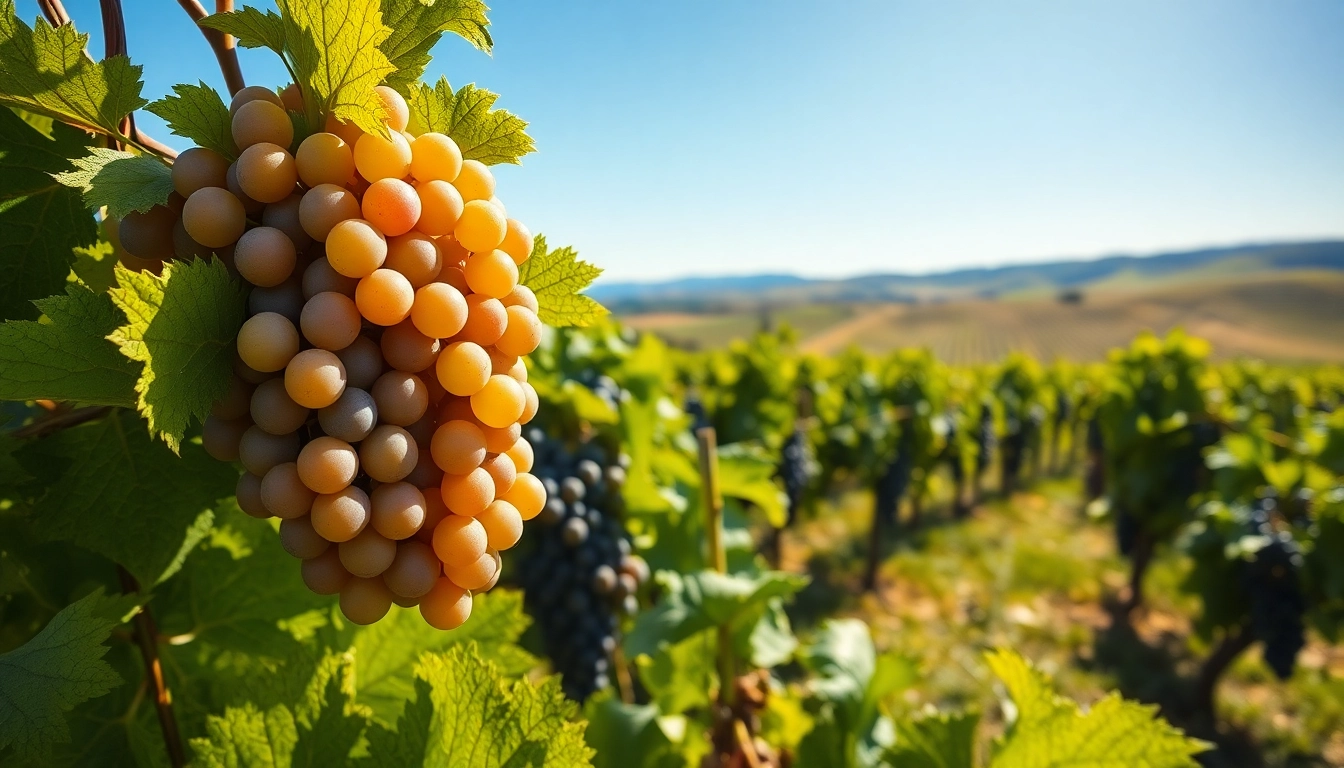
Pairing Delta Wine Grapes California Wines
Classic Food Pairings for Delta Wines
Pairing food with Delta wines creates a delightful experience that emphasizes the unique characteristics of each varietal. Classic matches include:
- Chardonnay: Pairs beautifully with seafood, poultry, or creamy pasta dishes.
- Merlot: Complements roasted meats, grill-cooked vegetables, or savory stews.
- Cabernet Sauvignon: Aged cheeses and grilled steaks make perfect companions.
- Zinfandel: Ideal with barbecue flavors, spicy dishes, or hearty pasta sauces.
- Pinot Noir: Matches well with dishes featuring mushrooms, duck, or rich sauces.
These suggested pairings enhance culinary enjoyment, aligning flavors to elevate the dining experience, maximizing the enjoyment of Delta wines.
Suggesting Unique Pairing Ideas
While classic pairings are widely recognized, unique combinations can offer delightful surprises. For instance, pairing Zinfandel with dark chocolate desserts balances sweetness with wine’s natural acidity. Pinot Noir’s delicate nature allows it to enhance the herbal notes found in dishes with fresh basil and tomatoes, creating a fresh summery meal.
Exploring unconventional pairings encourages consumers to experiment, fostering a deeper appreciation of the flavor profiles present in Delta wines. Information sessions or tastings focusing on these creative combinations can help educate wine enthusiasts about potential matches.
Hosting a Delta Wine Tasting Event
Hosting a Delta wine tasting is a fantastic way to engage family and friends while showcasing local varietals. To plan a successful event, consider the following steps:
- Selection: Choose a variety of wines that represent diverse grape varietals from the Delta.
- Preparation: Provide note cards for guests to describe their tasting experiences and preferences.
- Pairings: Prepare small bites that complement each wine, ensuring flavor balance.
- Education: Share background on each varietal, the vineyard, and production methods to enrich the tasting experience.
- Environment: Create a comfortable and inviting setting to encourage lively discussion.
Through these elements, guests will have an informative and memorable experience, connecting them to the rich heritage of the Delta wine region.
The Future of Delta Wine Grapes California
Emerging Trends in Winemaking
As the wine industry evolves, several trends are emerging in Delta winemaking. Sustainability practices are gaining traction, with many producers adopting organic and biodynamic farming methods that address environmental concerns while maintaining grape quality.
Additionally, there is a growing interest in lesser-known varietals, such as Chenin Blanc and Grenache, prompting wineries to experiment and diversify their offerings. This shift not only enhances the Delta's reputation but also attracts a broader spectrum of wine lovers.
Innovations in technology continued to reshape the wine production landscape, leading to more efficient methodologies and improved quality assessments. These evolutions position Delta wine grapes prominently within the competitive California wine market.
Sustainability Practices in the Delta
Practices centered around sustainability have become a focal point for new wineries and established vineyards alike. Many are implementing responsible water usage measures, decreasing the reliance on chemical pesticides, and cultivating habitat for beneficial wildlife within their vineyards.
Moreover, sustainable practices also extend to energy-efficient winery designs and an emphasis on recycling and reducing waste. As consumers increasingly prioritize eco-friendly products, adopting these practices can provide a competitive advantage while contributing positively to the environment.
Visiting Delta Wineries and Attractions
For those interested in experiencing the beauty of the Delta firsthand, visiting local wineries offers an invaluable opportunity to taste award-winning wines and immerse oneself in the vineyard’s stunning scenery. Many wineries host tours and tastings, providing insights into the winemaking process and offering a glimpse into the culture surrounding Delta wines.
Visitors can also enjoy outdoor activities, such as hiking or boating through the Delta's charming waterways, making it an ideal getaway for nature and wine lovers alike. Engaging experiences and warm hospitality at local wineries ensure a memorable trip.
FAQs about Delta Wine Grapes California
1. What types of grapes are primarily grown in the Delta?
The Delta region primarily grows Chardonnay, Merlot, Cabernet Sauvignon, Zinfandel, and Pinot Noir, showcasing a diverse range of wine flavors.
2. When is the best time to visit Delta wineries?
Visiting during the harvest season, from late August to October, offers exciting activities, tastings, and vibrant vineyards.
3. What makes Delta wines unique?
Delta wines are unique due to the region's specific climate, soil characteristics, and diverse grape varieties, contributing to distinct flavor profiles.
4. How can I participate in a wine tasting event in the Delta?
Many wineries host regular tasting events—check their websites for schedules. Reservations are often recommended for larger groups.
5. Are Delta wines known for sustainability?
Yes, many producers in the Delta are increasingly implementing sustainable farming practices, focusing on environmental stewardship and quality grapes.