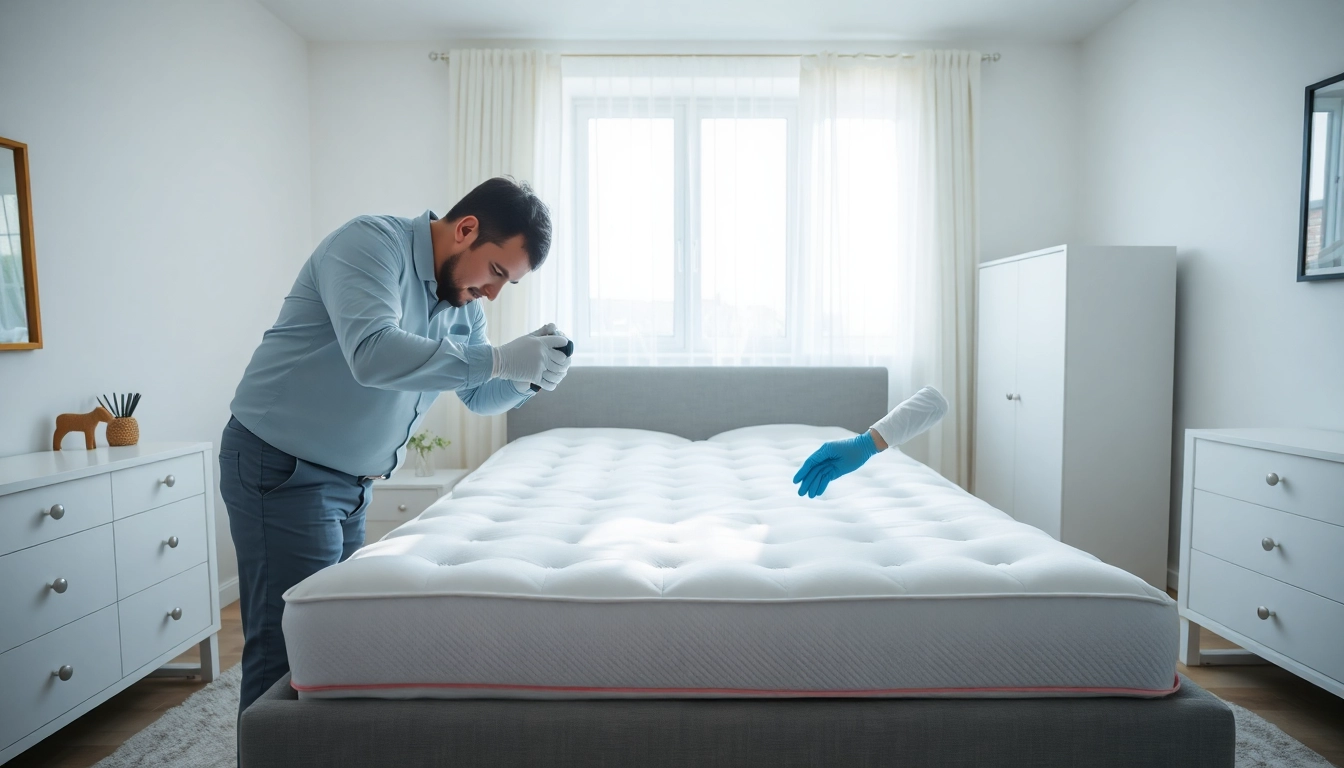
Understanding Bed Bugs: Identification and Signs
What Are Bed Bugs?
Bed bugs are small, parasitic insects belonging to the Cimex lectularius species, primarily feeding on human blood. They are approximately 1/4 inch long, with a flat, oval shape, and are typically reddish-brown in color. During the day, they hide in crevices, mattresses, and other sheltered areas, making them hard to detect. Understanding their behavior is crucial for effective bed bug removal.
Common Signs of Infestation
Identifying a bed bug infestation is essential in taking the right steps toward eradication. Look for:
- Physical sightings: Adult bed bugs are visible to the naked eye. Look for small, dark spots on bedding, bed frames, and cracks.
- Exoskeletons: As they molt, bed bugs leave behind their shed skins.
- Blood stains: Small red or brown stains on sheets may indicate bed bug feeding.
- Itchy welts: Wake up with itchy bites that are often in a line or cluster, signaling a possible bed bug feast during the night.
Why Professional Bed Bug Removal is Important
While minor infestations might be manageable with DIY methods, professional bed bug removal ensures thorough treatment. Professionals understand the biology of bed bugs, allowing for proper methods and strategies tailored to eradicate them effectively. They can prevent the spread of these pests, especially in multi-unit dwellings where shared walls may facilitate cross-contamination.
Preparing Your Home for Bed Bug Removal
Initial Steps: Decluttering and Cleaning
The first step to prepare your home for bed bug removal is decluttering. Remove clutter that provides bed bugs with hiding places. Wash and dry your beddings, clothing, and any infested materials at high temperatures (over 120°F) to kill bugs at all life stages. Vacuum thoroughly, particularly in and around bed frames, carpets, and upholstered furniture.
How to Isolate Affected Areas
Limit bed bug movement by isolating affected areas. Seal infested items in plastic bags to contain the bugs while treatments are applied. Place bed bug-proof encasements on mattresses and box springs to trap any remaining bugs inside. This helps in managing the infestation effectively.
When to Contact Professionals for Help
If you find evidence of widespread infestation or if DIY methods fail, it's time to seek professional help. Indicators include persistent bites or sightings even after cleaning efforts. Professionals possess the knowledge, tools, and treatments necessary to tackle severe infestations efficiently.
Methods of Bed Bug Removal
Chemical Treatments and Safety Precautions
Chemical treatments are often utilized in bed bug removal. This involves the application of insecticides that target bed bugs specifically. Professionals will choose EPA-registered insecticides, focusing on areas where bed bugs hide and travel. Safety precautions are crucial during this process, including wearing protective gear and ensuring pets and family members stay away from treated areas for a specified time to minimize exposure risks.
Heat Treatment: Effectiveness and Process
Heat treatment involves raising the temperature of infested rooms to levels lethal to bed bugs (around 118°F to 122°F). This method can kill all life stages of bed bugs, including eggs. A professional will use specialized equipment to ensure the heat penetrates all areas where bed bugs reside. It is a popular choice because it’s chemical-free and doesn’t leave behind residue.
DIY Approaches for Minor Infestations
If you’re facing a minor infestation, certain DIY methods may help. Vacuuming remains one of the first lines of defense. Use a vacuum with a sealable bag to catch and dispose of bed bugs. Other methods include using steam treatment on carpets and upholstery, or using bed bug traps to monitor the situation. These methods are often complemented by thorough cleaning and preventive measures.
Costs Associated with Bed Bug Removal
Understanding Pricing Models and Factors
The cost of bed bug removal varies based on several factors, such as the extent of the infestation, the size of the area being treated, and the treatment methods chosen. Some professionals charge per room or square footage, while others may offer flat-rate packages. Additional considerations include follow-up visits or inspections.
Budgeting for Professional Services
When budgeting for bed bug removal, remember to consider potential costs beyond treatments. You may need to replace infested furniture or mattresses if the infestation is severe. Establishing an initial budget can also mean planning for follow-up treatments, as most infestations necessitate more than one visit to ensure complete eradication.
Long-term Expenditure on Prevention
Investing in preventive measures post-removal is vital. Regular inspections and monitoring devices can catch potential infestations before they become severe. The long-term costs of prevention are often significantly lower than repeated treatments once infestations reoccur.
Preventing Future Bed Bug Infestations
Best Practices for Excluding Bed Bugs
To prevent future infestations, incorporate best practices such as installing bed bug-proof mattress encasements and regularly washing bedding in hot water. When traveling, inspect hotel rooms and keep luggage off the floor. If you purchase used furniture, ensure it is thoroughly inspected and treated if necessary before bringing it home.
The Importance of Regular Inspections
Regular inspections of your home can help prevent bed bug infestations. Check regularly in common hiding spots, such as under the mattress seams, in furniture crevices, and behind wall hangings. Be observant of unusual bites or increased insect activity in sleeping areas. Early detection significantly increases recovery success.
Using Monitoring Devices Effectively
Bed bug monitoring devices, such as traps and interceptors, can help identify early signs of bed bug activity. Position these traps under each leg of the bed, which will capture any bugs attempting to climb up. Using such devices effectively as part of a regular monitoring plan can save time and costs in dealing with infestations.
Frequently Asked Questions
What are the most common signs of a bed bug infestation?
Common signs include itchiness from bites, blood stains on bedding, and shed exoskeletons. Detection may also involve spotting the bugs themselves, which are visible with the naked eye at approximately 1/4 inch long.
Are DIY methods effective for serious infestations?
While DIY methods can help with minor infestations, they may not fully eliminate a serious issue. Professional assistance is often required for comprehensive eradication to prevent re-infestation.
How long does professional bed bug removal take?
Professional bed bug treatments can vary in duration based on infestation severity. A full treatment cycle often takes several weeks, and multiple visits may be needed to guarantee elimination.
Is heat treatment safer than chemical treatments?
Yes, heat treatment is a chemical-free approach that poses fewer risks to humans and pets. It effectively targets all life stages of bed bugs, though it may require specialized equipment and expertise.
How can I prevent future infestations?
Prevent future infestations by regularly inspecting your home, using bed bug-proof encasements, and being cautious when traveling or purchasing second-hand items to avoid introducing bugs into your environment.