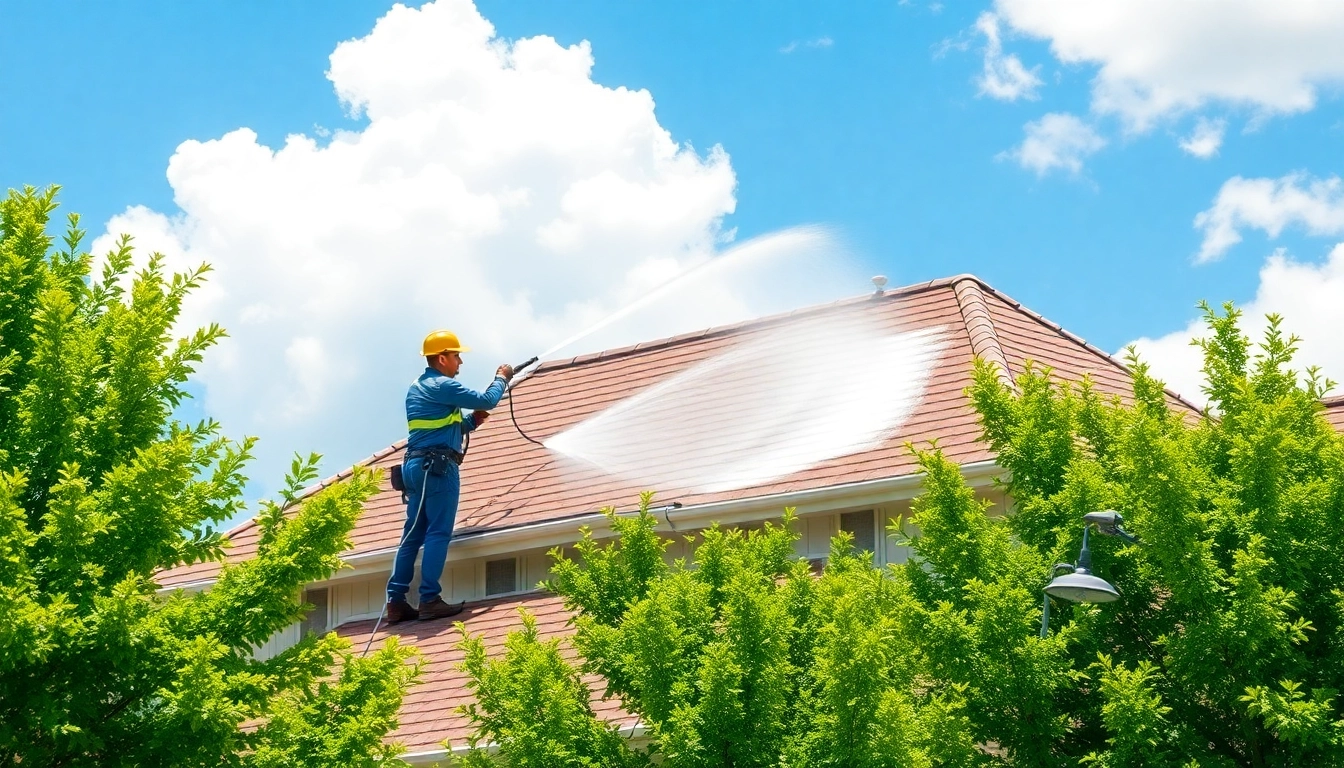
Understanding Roof Cleaning
Maintaining a clean roof is essential for any homeowner. It goes beyond aesthetics; roof cleaning also prolongs the lifespan of your roofing materials, prevents structural damage, and enhances the overall curb appeal of your home. The growing awareness around home maintenance has brought Roof Cleaning to the forefront of property upkeep discussions. Let's explore what roof cleaning entails, why it's crucial, and how you can tell when your roof needs attention.
What is Roof Cleaning?
Roof cleaning involves the removal of algae, moss, lichen, and other debris from your roof’s surface. It is accomplished using various methods, each tailored to the specific type of roofing material. The cleaning process helps preserve the integrity of the roof, ensuring it functions effectively and looks appealing.
Importance of Roof Cleaning
There are several reasons why regular roof cleaning should be a part of your home maintenance routine:
- Prolongs Roof Lifespan: Regular cleaning can extend the life of your roofing materials by preventing the growth of harmful organisms that can cause deterioration.
- Improves Energy Efficiency: A clean roof reflects sunlight better, which can help lower energy costs by reducing the need for air conditioning during hot months.
- Enhances Curb Appeal: A tidy roof significantly increases the appeal of your home, providing a good first impression to visitors and potential buyers.
- Prevents Damage: Mold and algae accumulation can lead to significant problems like leaks, structural damage, and costly repairs.
Signs Your Roof Needs Cleaning
Recognizing the signs of a dirty roof can lead to timely maintenance. Here are some indicators that it’s time to schedule a cleaning:
- Visible Algae or Moss: Dark streaks or patches of moss are clear signs that your roof needs attention.
- Granules in Gutters: If you find granules from shingles in your gutters, this may indicate deterioration and the need for a cleaning.
- Diminished Curb Appeal: If your roof looks dirty or unsightly, it may be time for a cleaning to restore shine and interest.
- Increased Energy Bills: Higher than usual energy costs can be a result of an unclean roof impacting insulation properties.
Types of Roof Cleaning Techniques
Diverse techniques exist to clean roofs effectively. Selecting the right method is crucial for both the cleanliness of your roof and the preservation of its condition.
Soft Washing vs. Pressure Washing
Understanding the differences between soft washing and pressure washing is essential. Soft washing involves a low-pressure stream combined with special cleaning solutions, making it effective for removing algae and moss without damaging the roof materials. This method is particularly suitable for asphalt shingle roofs.
On the other hand, pressure washing utilizes high-pressure water jets to blast dirt and debris away. While it's effective for hard surfaces, it can be aggressive and potentially harm delicate shingles or tiles. Therefore, pressure washing is generally less preferred for residential roof cleaning.
Chemical Treatments for Roof Cleaning
Chemical treatments are often incorporated into cleaning methods to enhance effectiveness. Common chemicals include:
- Sodium Hypochlorite: Works well to remove moss and algae.
- Biocide Solutions: These solutions are safe for plants and animals while effectively targeting roof contaminants.
- Surfactants: Help improve the adhesion of cleaning materials to the roof surface, enhancing the cleaning process.
Use caution with chemicals, ensuring they're environmentally friendly and safe for surrounding vegetation.
Environmental Considerations
When it comes to roof cleaning, environmental impact must be a priority. Many cleaning chemicals can be harmful to local ecosystems. Opting for biodegradable and eco-friendly cleaning solutions will mitigate any ecological risks while effectively cleaning your roof.
Additionally, consider timing your cleaning to avoid heavy rain or wind, which can spread chemicals and debris to surrounding areas.
DIY Roof Cleaning Tips
For homeowners interested in DIY roof cleaning, certain tools and techniques can facilitate this process. However, it is crucial to prioritize safety and effectiveness.
Tools You’ll Need
Before beginning your DIY roof cleaning project, gather the following tools:
- Ladder: Ensure it’s sturdy and tall enough for safe access to your roof.
- Gardening Sprayer: For applying cleaning solutions with precision.
- Soft Brush: For scrubbing tough spots without damaging roof materials.
- Protective Gear: Wear gloves, goggles, and a mask to protect against chemicals and debris.
Step-by-Step Cleaning Process
Follow these steps for an effective DIY roof cleaning:
- Preparation: Clear the area around the base of your house to ensure safety.
- Apply Cleaning Solution: Using a garden sprayer, apply your chosen cleaning solution generously to the affected areas.
- Wait: Allow the solution to sit for the recommended time as per the instructions (usually 15-20 minutes).
- Scrub: Use a soft brush to scrub any areas with stubborn stains.
- Rinse: Using a hose, thoroughly rinse off the cleaning solution, ensuring no residue remains.
- Inspect: After cleaning, inspect your roof for any signs of damage or areas that may need further attention.
Safety Precautions
Safety should be a priority during any cleaning process. Here are some essential precautions:
- Don't Work Alone: Having a partner can ensure safety, especially when navigating ladders.
- Weather Considerations: Choose a dry day with mild temperatures to prevent slips and falls.
- Use Proper Equipment: Ensure your ladder is on stable ground, and wear non-slip shoes.
Hiring Professional Roof Cleaning Services
For those uncertain about taking on a DIY project, hiring professional roof cleaning services can ensure a thorough and safe cleaning.
What to Look For in a Contractor
When hiring a professional, ensure they fulfill the following criteria:
- Experience: Look for contractors with a proven track record and experience in roof cleaning.
- Insurance: Ensure they carry liability insurance to protect you in case of accidents.
- References: Ask for client references and read reviews to gauge quality of service.
Questions to Ask Before Hiring
Prior to committing to a service, ask these vital questions:
- What cleaning methods do you use? Understanding their process will help you ensure they don’t use harmful techniques.
- Are you licensed and insured? This protects both parties and ensures quality service.
- Can you provide an estimate? Get a written quote to prevent unexpected costs later on.
Cost Factors for Roof Cleaning
The cost of roof cleaning can vary significantly based on several factors:
- Roof Size: Larger roofs require more time and resources, increasing overall costs.
- Type of Cleaning: The method chosen can affect pricing; specialized methods may cost more.
- Degree of Contamination: Heavily stained roofs may require additional labor and time, adding to costs.
Frequently Asked Questions about Roof Cleaning
How often should I clean my roof?
Generally, it's advisable to clean your roof every 1-3 years, depending on factors like location, climate, and surrounding vegetation.
Is roof cleaning covered by home insurance?
It varies by policy and provider. Some homeowners’ insurance plans may cover cleaning if damage is involved, so consult your provider.
Can roof cleaning harm my shingles?
Improper cleaning methods, especially high-pressure washing, can damage shingles. Opting for professional soft washing minimizes risk.
What is the average cost of roof cleaning?
The average cost usually ranges from $200 to $600 depending on the size of the roof and the cleaning method used.
How can I maintain my roof's cleanliness?
Regular inspections, debris removal, and trimming overhanging branches can help maintain roof cleanliness and prevent moss and algae growth.