Understanding Tile Cleaning in Placer County
What is Tile Cleaning?
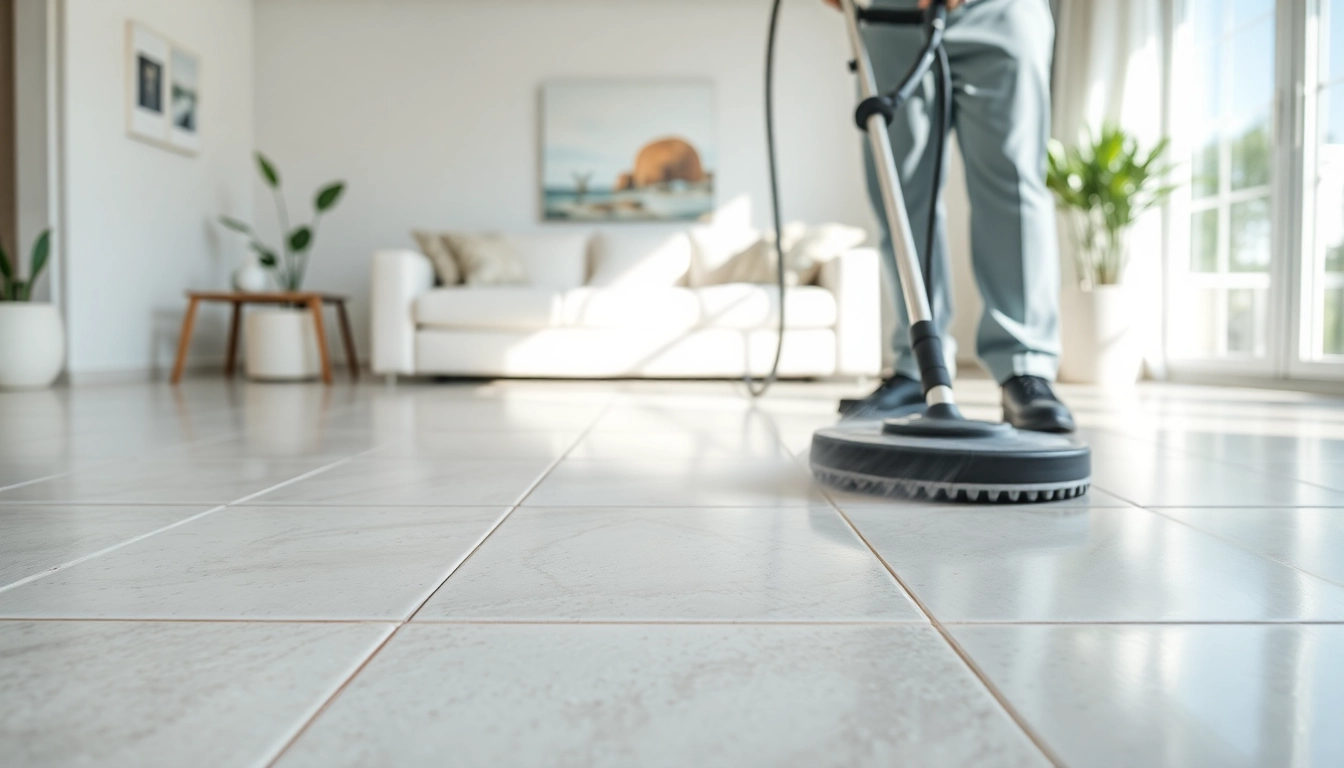
Tile cleaning refers to the thorough maintenance process that restores the shine, cleanliness, and hygiene of tiled surfaces in homes and businesses. It includes the removal of dirt, stains, and grime that accumulate over time, contributing to a less appealing environment. Proper tile cleaning enhances the aesthetics of your space and prolongs the life of the tiles. In Placer County, where varying climates can affect tile surfaces, regular maintenance is key to keeping them looking pristine. For those interested in enhancing the appearance and longevity of their tile surfaces, tile cleaning placer county services are essential.
Benefits of Professional Tile Cleaning
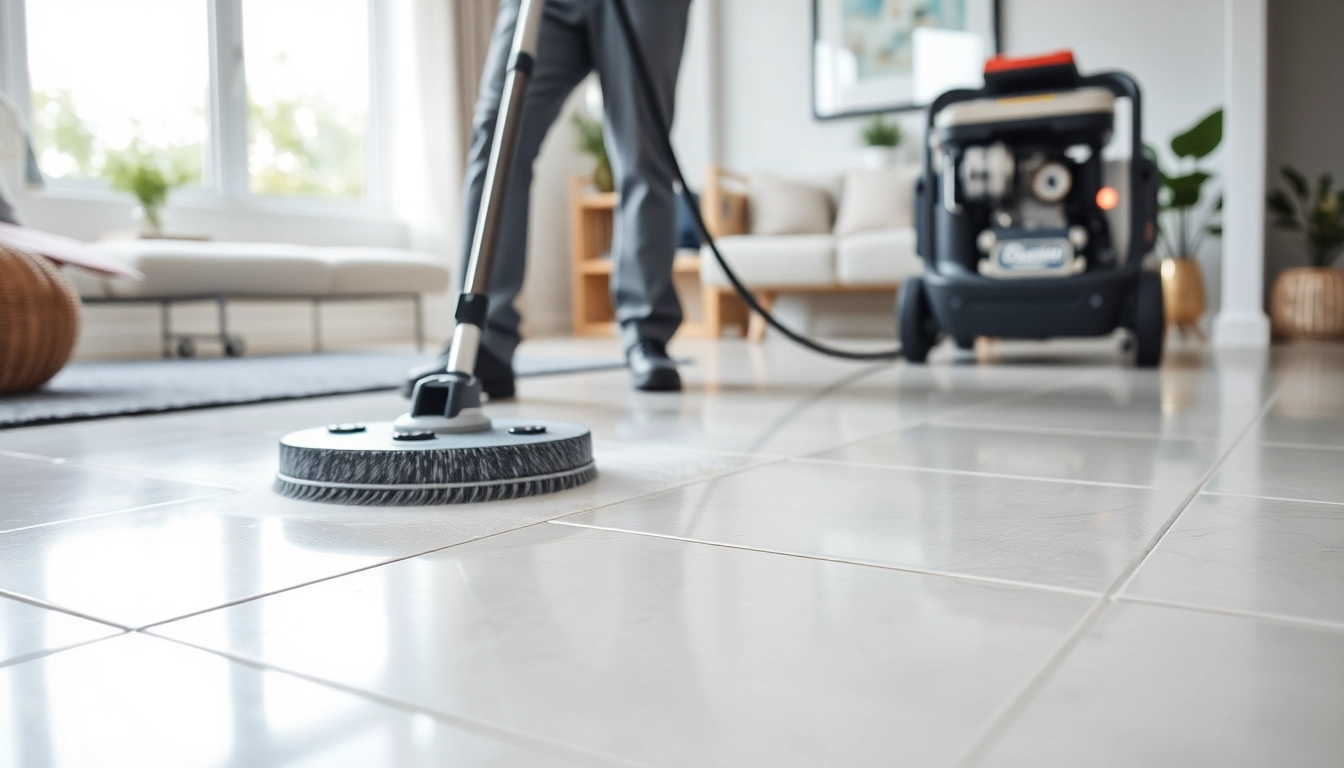
Choosing professional tile cleaning services can offer a myriad of advantages over DIY methods. One of the primary benefits is the expertise that professionals bring to the table. With access to advanced equipment and specialized cleaning solutions, they can effectively eliminate stubborn stains and deeply embedded dirt. Moreover, professional services can save time and effort, allowing homeowners to focus on their daily activities while ensuring that the tiles are expertly cared for.
Additionally, professional tile cleaning can improve the health of your living environment. Tiles often harbor allergens, mold, and bacteria. By utilizing high-grade cleaning techniques, professionals can eradicate these harmful substances, leading to improved air quality and a healthier home. Furthermore, regular professional cleaning helps to maintain the appearance of tiles, enhancing the overall value of your property.
Overview of Tile Types and Care
Tiles vary significantly in terms of materials, each requiring unique care strategies. Common types of tiles in Placer County include ceramic, porcelain, natural stone, and vinyl. Understanding the nature of your tile type is fundamental to its maintenance. For instance, ceramic and porcelain tiles are relatively low-maintenance and generally resistant to stains. However, natural stone tiles, such as marble or travertine, require more delicate handling due to their porous nature, which makes them susceptible to staining and etching.
Proper care for each type of tile often includes using appropriate cleaning agents and methods to avoid damage. For example, acidic cleaners can harm natural stone tiles, while a mild detergent may be suitable for ceramic or porcelain tiles. Regular mopping and immediate attention to spills are critical practices that should be employed for all types of tiles to ensure lasting beauty.
DIY vs. Professional Tile Cleaning
When to Choose DIY Methods
While professional cleaning services are ideal for deep cleaning and heavy-duty tasks, there are scenarios where DIY methods can be effective. For lighter maintenance routines, such as regular dusting or spot-cleaning, homeowners can utilize household items like vinegar and baking soda to tackle minor stains. Moreover, understanding how to perform basic tile care can be beneficial for maintaining the overall appearance between professional cleanings.
Additionally, DIY cleaning techniques can serve as a preventative measure. Regular maintenance helps to prolong the time between professional cleanings, ensuring that tiles remain in good condition and do not suffer from buildup that requires intensive cleaning.
Advantages of Hiring Professionals
Although DIY methods have their merits, the advantages of hiring professionals can significantly outweigh them. Professional cleaners have the knowledge and experience to assess tile conditions accurately, apply the correct cleaning methods, and use specialized equipment to achieve results that are often unattainable through DIY efforts. Furthermore, professionals can tackle problems such as deep-set stains or damaged grout that might require advanced techniques or tools not readily available to homeowners.
In addition to their expertise, professional services typically include treatments that help protect tiles from future dirt buildup and staining. For example, sealing tiles after cleaning can prevent moisture and dirt from seeping into porous surfaces, ensuring a longer-lasting clean. This level of care is difficult to replicate without professional assistance.
Cost Comparison for Tile Cleaning Options
When considering costs for tile cleaning, it’s essential to evaluate the differences in expenses between DIY and professional methods. DIY cleaning can appear more economical initially, with minimal costs associated with cleaning supplies. However, this method could result in higher long-term expenses if tiles are damaged or require extensive repairs due to improper cleaning techniques.
On the other hand, professional tile cleaning comes with labor costs that reflect the expertise, tools, and products used. While the initial investment is higher, the benefits often include longer-lasting results that can save money on future repairs or replacements. Most tile cleaning services offer various pricing packages, allowing clients to choose options that suit their budget and specific cleaning needs. Ultimately, understanding the cost of both approaches can help you make an informed decision.
Essential Tools and Techniques for Tile Cleaning
Must-Have Equipment for Effective Cleaning
Whether opting for DIY or professional tile cleaning, having the right equipment can significantly impact the results. Essential tools for effective tile cleaning include:
- Broom or Vacuum: To remove loose dirt and debris from tiled surfaces before deeper cleaning.
- Mop: A microfiber or sponge mop for applying cleaning solutions and removing grime efficiently.
- Tile Brush: A stiff-bristled brush for scrubbing gaps and textured surfaces.
- Steam Cleaner: Effective for deep cleaning and sanitizing without harsh chemicals.
- Protective Gear: Gloves and masks to safeguard against chemicals and minimize exposure to dust.
Common Cleaning Solutions and Their Benefits
Several cleaning solutions are effective for tile maintenance, each with its benefits. Understanding which solutions to apply can lead to better results:
- Vinegar and Water: This mixture is effective for ceramic and porcelain tiles, adding shine while removing grime.
- Baking Soda Paste: A safe and effective option for scrubbing away tough stains, particularly on more delicate surfaces.
- Commercial Tile Cleaners: Formulated for specific tile types, these products can provide targeted results and are often used by professionals.
- pH-Neutral Cleaners: Ideal for natural stones, ensuring no harsh reactions or damage to the surface.
Step-by-Step Guide to Cleaning Various Tile Types
Knowing how to clean each type of tile adequately is vital for maintaining their longevity. Here’s a brief guide on cleaning different tile materials:
Ceramic and Porcelain Tiles
1. Sweep or vacuum to remove debris.
2. Mix a solution of warm water and pH-neutral cleaner.
3. Damp mop the tiles with the solution, avoiding excessive moisture.
4. Rinse with clean water and dry the surface.
Natural Stone Tiles
1. Use a soft broom to sweep away dirt.
2. Prepare a mixture of warm water and pH-neutral cleaner.
3. Gently scrub using a soft mop or cloth.
4. Rinse thoroughly to remove all residue and dry immediately to prevent water spots.
Vinyl Tiles
1. Start by sweeping or vacuuming the surface.
2. Use a mixture of vinegar and warm water for cleaning.
3. Mop the tiles with the solution, ensuring the mop isn’t overly wet.
4. Buff the tiles with a dry cloth for a lustrous finish.
Maintaining Clean Tiles: Best Practices
Daily and Weekly Maintenance Tips
Regular maintenance is crucial in preserving the appearance and longevity of tiles. Implementing simple daily and weekly routines can prevent dirt buildup:
- Daily: Sweep or vacuum to remove dust and debris.
- Daily: Wipe up spills immediately to avoid stains.
- Weekly: Mop with a mild detergent or solution suited for your tile type to keep surfaces looking fresh.
How to Prevent Tile Damage
Preventing damage to your tiles is an essential part of maintenance. Here are a few strategies to consider:
- Use mats or rugs at entrances to reduce dirt tracked into the home.
- Implement coasters and protective pads on furniture to prevent scratches.
- Address any leaks promptly, as moisture can lead to mold growth on tiles and grout.
- Avoid cleaning solutions that are acidic or abrasive, as they can damage surface finishes.
Timeframe for Professional Cleaning Services
The timeframe needed for professional tile cleaning services can vary based on the size of the area being treated and the condition of the tiles. Typically, a thorough cleaning may take anywhere from one to three hours. Scheduling services regularly can ensure tiles remain in optimal condition, preventing the need for intensive cleanings that could take longer.
Frequently Asked Questions About Tile Cleaning
How Often Should I Have My Tiles Cleaned?
It's recommended to have your tiles professionally cleaned every 12 to 18 months, depending on foot traffic and usage.
What Techniques Are Most Effective for Tile Cleaning?
Steam cleaning, hot water extraction, and the use of pH-neutral solutions are some of the most effective techniques for cleaning tiles.
Can I Use Household Products for Cleaning Tiles?
Yes, household products like vinegar and baking soda can be effective for light cleaning, but be cautious with acid-sensitive tiles.
Is Grout Cleaning Included in Tile Cleaning Services?
Professional tile cleaning services usually include grout cleaning as part of the package, ensuring comprehensive care.
What Should I Look for in a Tile Cleaning Company?
Look for certifications, customer reviews, experience, and the use of advanced cleaning techniques when choosing a tile cleaning company.