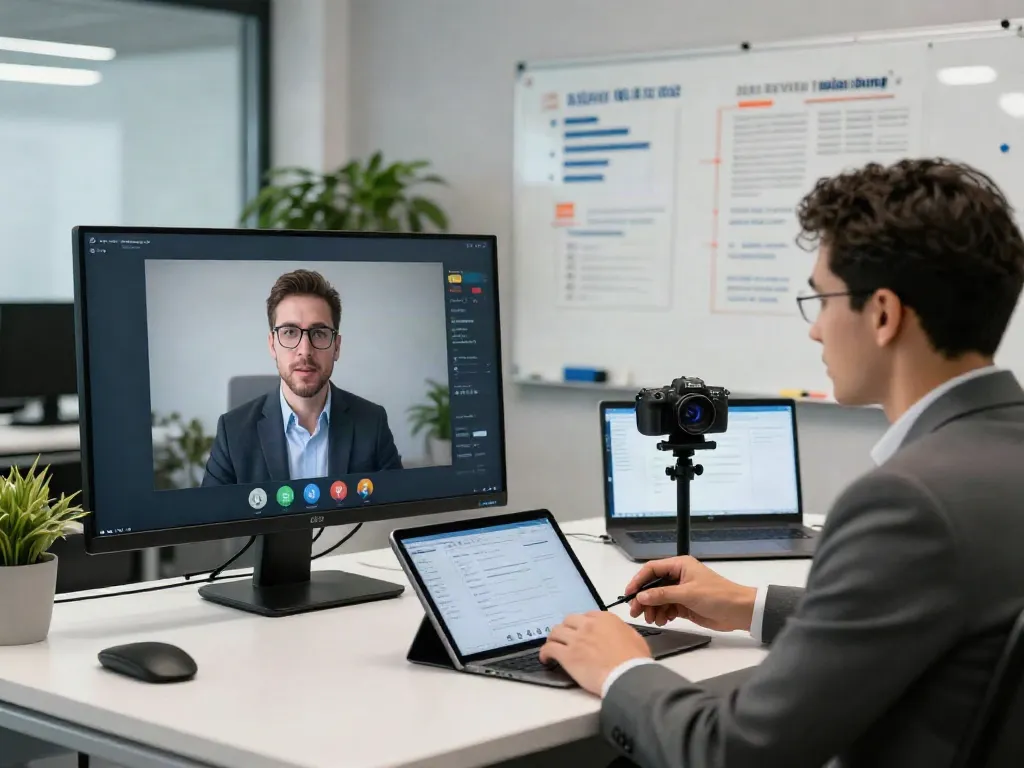
Understanding Deepfake Technology
In recent years, advancements in digital manipulation have introduced a new level of risk to virtual communication through the emergence of deepfake technology. Deepfakes, characterized by their ability to generate hyper-realistic videos of individuals saying or doing things they never actually did, have infiltrated various facets of our digital lives, including online meetings and conferences. These innovations, while fascinating, come with significant implications for security and trust in digital communications. As organizations increasingly rely on online platforms for meetings, understanding the risks and protective measures associated with deepfake technology is essential. When exploring options, Deepfake protected Online Video Calls, Meetings and Conferencing solutions can offer robust defenses against these emerging threats.
What are Deepfakes and Their Impact on Communication?
Deepfakes utilize artificial intelligence (AI) to manipulate video content, creating convincing representations of individuals that can mislead viewers. This technology can alter facial expressions, voice modulation, and even background sounds in real-time, making it increasingly difficult to differentiate between genuine interactions and fabricated ones. The implications for online communication are profound, especially in a world where video calls are the norm. Trust in visual communication faces new challenges, as anyone can potentially impersonate another person during a live video conference, leading to severe ramifications for businesses and individuals alike.
The Evolution of Deepfake Technology in Video Conferencing
Initially, deepfake technologies were used predominantly for entertainment and art, but their applications have expanded into more concerning territories, such as cybercrime and corporate espionage. With the COVID-19 pandemic accelerating the shift to virtual meetings, the business sector has become a prime target for deepfake exploits. Cybercriminals have used these tools to impersonate executives and clients to execute fraudulent transactions or steal sensitive information. As a result, industries must adapt by investing in security protocols tailored to combat this specific threat.
Common Misconceptions About Deepfake Usage
There are several misconceptions surrounding deepfake technology. One common belief is that only sophisticated hackers can produce deepfakes; however, various user-friendly applications now allow anyone with a smartphone to create convincing deepfake videos. Another misconception is the belief that deepfakes can only be used with malicious intent. While many instances involve deceit and fraud, deepfake technology can also serve legitimate purposes, such as in film production or educational settings. Understanding these nuances is vital as we navigate the challenges posed by this technology.
Importance of Security in Online Meetings
The significance of securing online meetings is underscored by the growing prevalence of deepfake technology. Protecting virtual communications is no longer just a matter of convenience; it has become a critical necessity for safeguarding information and maintaining trust within professional environments. Organizations must recognize the potential vulnerabilities within their video conferencing systems and actively seek solutions to fortify their defenses against deepfake manipulations.
Why Deepfake Protection is Critical in Virtual Communication
In an era where digital interactions replace face-to-face meetings, the stakes for effective communication have never been higher. Deepfake attacks can undermine the very foundation of trust within organizations, leading to financial loss, reputational damage, and legal implications. As such, implementing deepfake protection mechanisms is crucial for ensuring the integrity of virtual discussions and preserving stakeholder confidence.
Challenges Facing Businesses in Maintaining Secure Meetings
Businesses face several challenges in maintaining security during online meetings. Rapid advancements in deepfake technology mean that traditional security measures may no longer suffice. Furthermore, many organizations lack the necessary awareness and resources to effectively combat these threats. Employees might also lack training on recognizing signs of deepfake attacks, making them more susceptible to manipulation. Addressing these challenges requires a multifaceted approach that includes technology, training, and policy adjustments.
Identifying Risks Associated with Deepfake Attacks
The risks associated with deepfake attacks extend beyond mere deception. Instances of identity theft, information leakage, and fraudulent financial activities are on the rise, illustrating the serious implications of deepfake technology. Moreover, deepfakes can perpetuate misinformation, leading to potential conflicts and damaging public trust. Businesses must develop a comprehensive understanding of these risks to implement effective strategies for mitigation.
Deepfake Detection Techniques
How Do Deepfake Detection Algorithms Work?
Deepfake detection algorithms leverage advanced AI techniques to analyze video data and identify inconsistencies that may indicate manipulation. These algorithms focus on various elements, such as irregular facial movements, unnatural blinking patterns, and discrepancies in lighting. By training machine learning models on vast datasets of genuine and fake videos, these systems can effectively increase the accuracy of detecting deepfakes over time.
Real-Time Detection Methods and Their Effectiveness
Real-time detection methods are crucial for organizations that rely heavily on live video conferencing. These technologies integrate seamlessly into existing video platforms, scanning for potential deepfake activity during calls. Effectiveness varies based on the sophistication of the detection algorithms and the specific deepfake techniques employed. As the field evolves, the continuous improvement of detection methods will be critical for staying ahead of emerging threats.
Case Studies of Successful Deepfake Mitigation
Several businesses have successfully implemented deepfake mitigation strategies to protect their operations. For example, a financial firm that experienced an attempted deepfake fraud case invested in advanced detection technologies and employee training programs. By cultivating a culture of security awareness and utilizing cutting-edge detection tools, they significantly reduced the likelihood of future deepfake incidents. These case studies highlight the importance of proactive measures in maintaining secure online communications.
Best Practices for Secure Online Meetings
Implementing Security Measures for Virtual Communication
To safeguard online meetings, organizations should adopt a range of security measures. Regularly updating video conferencing software, employing end-to-end encryption, and utilizing secure meeting links can significantly reduce vulnerability to deepfake attacks. Additionally, organizations should explore implementing dedicated deepfake detection software to bolster their defenses against potential threats.
Utilizing Multi-Factor Authentication and Verification
Multi-factor authentication (MFA) is a critical component of any modern security protocol. By requiring users to provide additional verification beyond just a password, organizations can significantly enhance their security posture. Incorporating biometric verification methods, such as facial recognition or fingerprint scanning, can further bolster defenses against impersonation and deepfake attacks.
Training Teams to Recognize Potential Deepfake Risks
Investing in training programs that educate employees about the risks associated with deepfake technology is essential. Staff should be informed about the signs of deepfake manipulations and the protocols for reporting suspicious activity during video calls. Regular training sessions can cultivate a culture of awareness and vigilance, making it more difficult for deepfake scammers to succeed.
Future Trends in Video Conferencing Security
What to Expect in Deepfake Technology and Protection Solutions?
The landscape of deepfake technology is constantly evolving, and organizations can expect to see both advancements in deepfake creation and detection methods. As algorithms become increasingly sophisticated, so too will the technologies designed to combat them. Future solutions may include AI systems capable of analyzing emotional cues and behavioral patterns to determine authenticity in real time.
Emerging Technologies Enhancing Meeting Security in 2026
By 2026, emerging technologies such as blockchain and advanced biometric verification will likely play a significant role in enhancing meeting security. Blockchain technology, with its immutable ledger capabilities, could provide transparency and verification trails for video calls, while biometric solutions will offer robust authentication methods. These innovations hold the promise of creating a more secure virtual communication landscape.
The Role of AI in Shaping Future Online Interactions
Artificial intelligence will continue to be a driving force in shaping how we interact online. As AI evolves, it will facilitate not only the creation of engaging digital content but also the development of intelligent systems that uphold the integrity of virtual communications. The ability to detect deepfakes and address emerging threats in real-time will help foster a safer online environment for individuals and businesses alike.
Are DeepFakes actually illegal?
The legality of deepfakes varies significantly depending on their usage and jurisdiction. In many cases, deepfakes can be used in unlawful ways, such as for defamation, fraud, or harassment, leading to legal repercussions for creators. However, the legal frameworks surrounding deepfakes are still evolving, and legislation is currently being developed in many regions to specifically address these concerns.
How can I trust my video meetings in the age of deepfakes?
Trusting video meetings in the age of deepfakes requires due diligence and vigilance. Utilizing secure platforms, implementing authentication protocols, and being aware of the signs of deepfake manipulations can significantly enhance security. Engaging in verification methods, such as asking questions or requesting visual cues that are difficult for deepfakes to replicate, can also build trust in virtual communications.
What does deepfake protection mean?
Deepfake protection refers to a suite of strategies and technologies designed to identify, mitigate, and prevent the impacts of deepfake manipulations in online communications. This can include the use of detection algorithms, security protocols, and employee training aimed at safeguarding virtual interactions.
Can anyone secretly watch your video calls?
While it is technically possible for individuals to hack into video calls, robust security measures can help prevent such breaches. Ensuring that meetings are hosted on secure platforms, using encrypted communication, and implementing strong passwords are essential steps for protecting online discussions from unauthorized access.
How to protect yourself against deepfake scams in video calls?
To protect against deepfake scams during video calls, always verify the identity of participants through multiple channels. Utilizing security measures such as PIN codes, secure access links, and multi-factor authentication can also help strengthen defenses. Additionally, maintaining a healthy skepticism and being aware of the potential for deepfakes can enhance overall security.