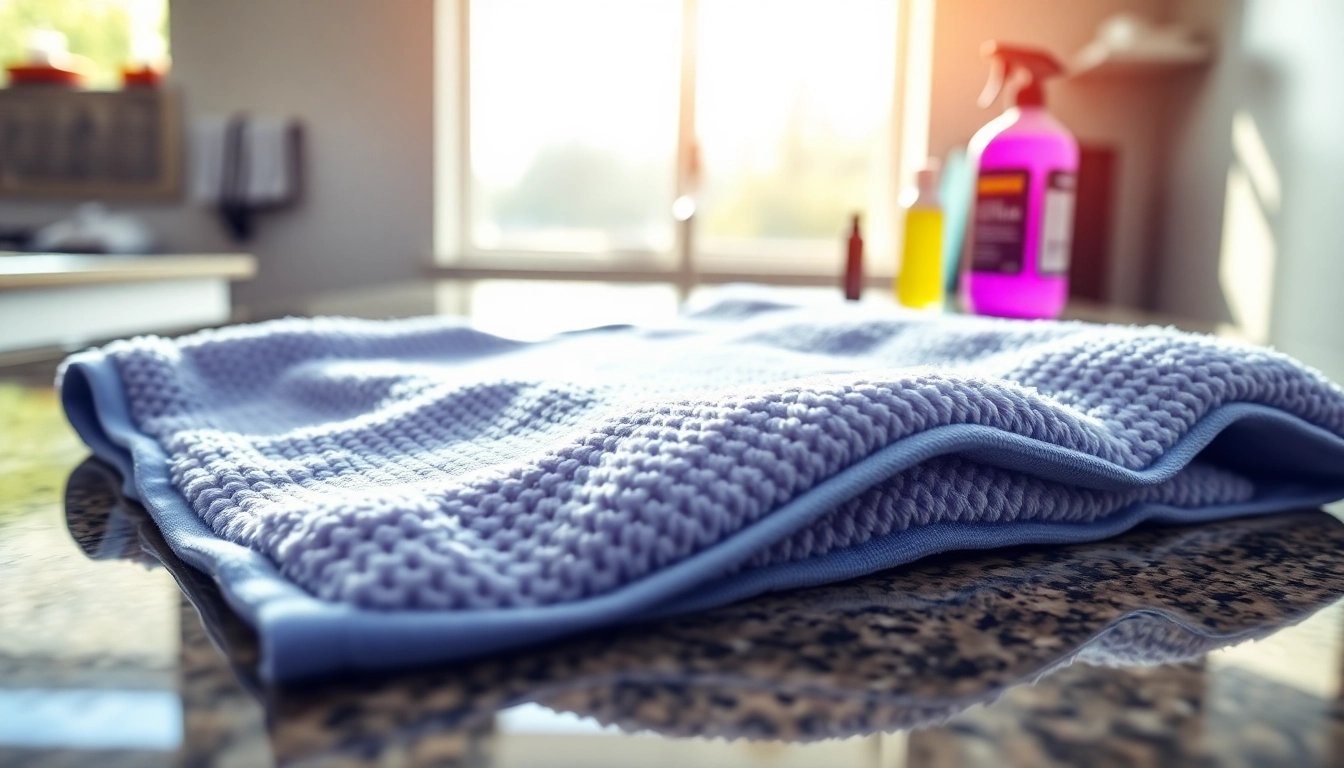
Introduction to Microfiber Towels
Microfiber towels have become an essential tool in car care, thanks to their unique ability to trap dirt, dust, and moisture. These towels are especially favored by car enthusiasts and detailers for their effectiveness in cleaning surfaces without scratching the paint. They are made from a blend of polyester and polyamide fibers, which are significantly finer than human hair, allowing them to achieve superior cleaning results. In this article, we will delve into how to clean microfiber towels for cars, providing you with the knowledge needed to maintain both the performance and longevity of your towels.
Benefits of Using Microfiber Towels for Cars
Using microfiber towels for car detailing offers numerous advantages:
- Gentle on Surfaces: Microfiber is soft and non-abrasive, making it safe for automotive finishes.
- High Absorbency: Microfiber can absorb up to seven times its weight in water, making it effective for drying and cleaning.
- Efficient Dirt Removal: The structure of microfiber creates a static charge that attracts dust and dirt particles.
- Versatile Usage: They can be used for polishing, cleaning windows, or wiping down interior surfaces.
Common Misconceptions About Microfiber Care
Many people hold misconceptions about the care of microfiber towels, which can lead to decreased performance:
- Myth: All washing machine detergents are suitable for microfiber. Reality: Only soft or liquid detergents should be used as granules can damage fibers.
- Myth: Microfiber towels are machine washable with all fabrics. Reality: They should be washed separately to avoid lint transfer.
- Myth: Bleach can help maintain microfiber towels. Reality: Bleach can break down the fibers, reducing their effectiveness.
Understanding Different Types of Microfiber Towels
Microfiber towels come in various types, each serving specific purposes:
- Short Pile Microfiber: Ideal for drying and polishing due to low linting.
- Long Pile Microfiber: Best for heavy dirt and grime removal; commonly used for washing.
- Wet and Dry Microfiber: Can be used for both scrubbing and drying, making them versatile.
Best Practices for Cleaning Microfiber Towels
Washing Techniques for Microfiber Towels
Proper washing techniques are crucial for maintaining microfiber towels. Always avoid using fabric softeners, as they leave a residue that can impair the microfiber's ability to clean effectively. Here are some recommended washing techniques:
- Wash in warm water (around 30 to 40 degrees Celsius) to help break down oils and residues.
- Use an extra rinse cycle to remove any detergent residues that might remain.
- Do not overload the washing machine, which can prevent effective cleaning.
What Detergents Should You Use?
Opt for a liquid detergent specifically designed for microfiber if possible. Avoid powder detergents due to their granularity, which can damage the fibers. Look for options that are free from dyes, fragrances, and additives, as these can adversely affect microfiber.
Drying Options: Air-Drying vs. Machine-Drying
While air-drying is the gentlest method, it may not always be convenient. If machine-drying, set your dryer to a low-temperature setting to preserve the towel's fibers. To achieve the best results:
- Remove towels immediately after drying to prevent wrinkles.
- Use dryer balls to help separate towels for better airflow.
Step-by-Step Guide on How to Clean Microfiber Towels for Cars
Preparing Microfiber Towels for Washing
Before washing, ensure the towels are free from any debris like dirt or sand. Shake them out gently to eliminate loose particles, as these can lead to scratching during washing.
Washing Method: Machine vs. Hand
While machine washing is convenient, hand washing is preferable for heavily soiled towels:
- Machine Washing: Use a gentle cycle with warm water, a microfiber-safe detergent, and an optional extra rinse.
- Hand Washing: Soak towels in warm water mixed with detergent for about 15-20 minutes, then rinse thoroughly until the water runs clear.
Post-Cleaning Care and Maintenance Tips
After cleaning, store microfiber towels in a dry place, away from direct sunlight, which can degrade their fibers. Keep them folded and organized by purpose to maintain their longevity. Regular inspection for any wear or damage will ensure your towels remain effective over time.
Common Problems When Cleaning Microfiber Towels
Dealing with Stains and Heavy Soiling
For tough stains or heavy soiling, pre-treatment is vital. Gently spray a mix of water and a few drops of dish soap on the affected areas before washing. Allow it to sit briefly to break down any contaminants before proceeding with your usual wash routine.
Avoiding Damage to Microfiber Fabrics
To avoid damage, steer clear of any washing modes that use high speeds or temperatures. Additionally, never wash microfiber towels with items that have hooks, zippers, or rough textures.
Signs Your Microfiber Towels Need Replacing
Even with proper care, microfiber towels won't last forever. Signs indicating that it’s time to replace them include:
- Loss of softness or absorbency.
- Visible signs of wear and tear, such as fraying or thinning.
- Persistent odors that do not wash out.
FAQs on Cleaning Microfiber Towels for Cars
Can I reuse microfiber towels after washing?
Yes, microfiber towels can be reused after washing as long as they are cleaned properly. Regular washing enhances their longevity.
Is it safe to use fabric softeners?
No, fabric softeners should not be used with microfiber towels, as they leave a residue that reduces absorbency and cleaning power.
How often should I wash my microfiber towels?
Microfiber towels should be washed after every 2-3 uses or whenever they become visibly dirty to maintain optimal performance.
Can I wash towels with other fabrics?
It’s best to wash microfiber towels separately from other fabrics to avoid lint transfer and ensure thorough cleaning.
What temperature water should I use for best results?
Warm water is recommended for washing microfiber towels, as it effectively breaks down oils and dirt without damaging the fibers.