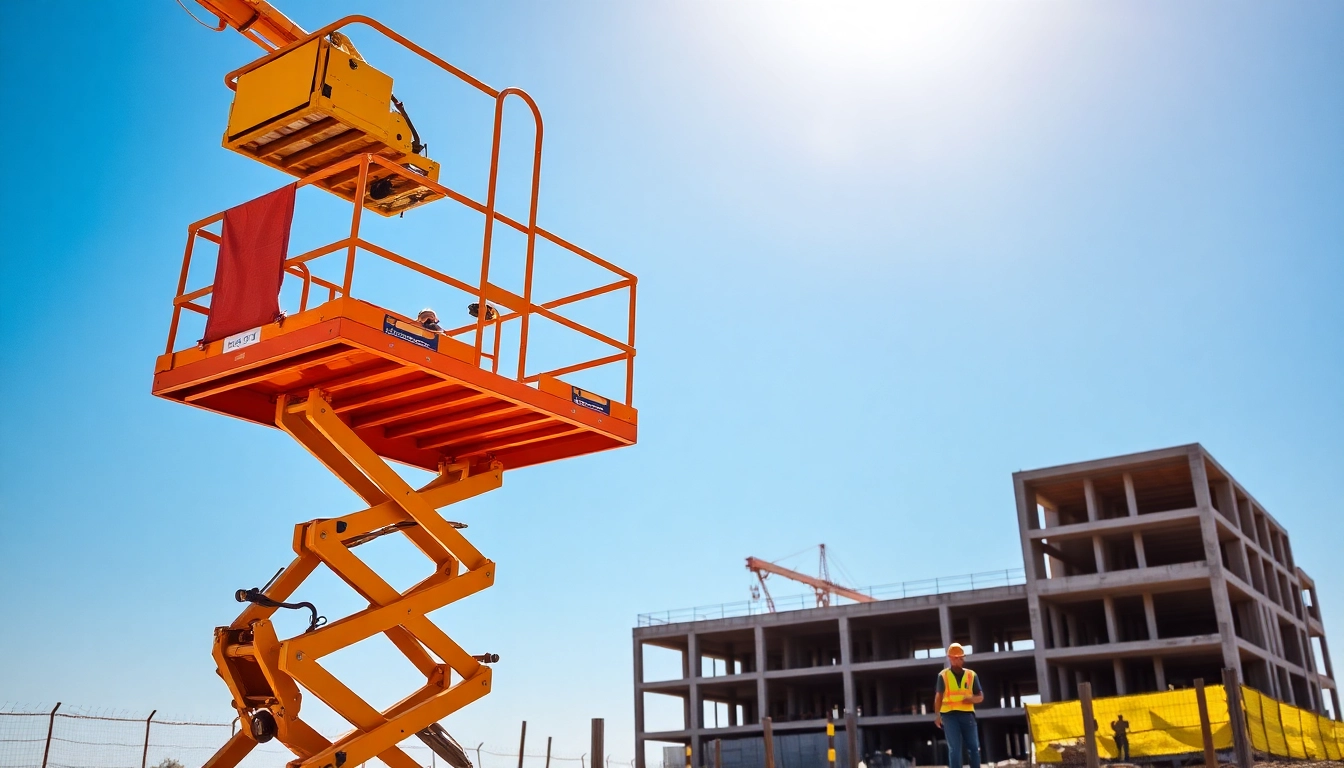
What is a Cherry Picker?
Definition and Purpose
A cherry picker is an innovative piece of equipment typically referred to as an aerial work platform. Designed for elevating personnel and tools to unprecedented heights, cherry pickers are indispensable in various industries, including construction, maintenance, landscaping, and film production. This mechanical device enables workers to reach high or hard-to-access areas safely, often involving tasks like tree trimming, building maintenance, or event staging.
Common Uses of Cherry Picker
Cherry pickers are multi-functional devices that find applications across numerous fields. Some of the most notable uses include:
- Construction: Providing access to high ceilings, roofs, and elevated work areas for installation or repair.
- Maintenance: Performing upkeep tasks on telephone poles, streetlights, and other infrastructures where height is critical.
- Landscaping: Allowing tree care professionals to safely prune or remove branches from tall trees.
- Entertainment: Assisting in lighting rigging and camera positioning during live events or film production.
- Emergency Services: Assisting first responders in accessing hard-to-reach locations during rescue operations.
Key Components and Mechanisms
Understanding the fundamental components of a cherry picker is crucial for effective use and maintenance. The main parts include:
- Base: This is the foundation of the cherry picker, often equipped with wheels or tracks for mobility.
- Boom: An extendable arm that elevates the platform, allowing for reach and maneuverability.
- Platform: The bucket or area where the operator stands, usually equipped with guardrails for safety.
- Controls: Located on the platform and base, these allow operators to maneuver the cherry picker smoothly.
- Stabilizers: Used to maintain balance when elevated, ensuring the cherry picker remains stable during operation.
Choosing the Right Cherry Picker for Your Needs
Types of Cherry Pickers Available
With various types of cherry pickers available, selecting the right one is essential. The main types include:
- Articulating Boom Lifts: These cherry pickers have joints that allow them to navigate obstacles and reach over structures.
- Telescopic Boom Lifts: Featuring a straight arm that extends vertically, ideal for tasks requiring height without lateral movement.
- Scissor Lifts: Compact and stable, these lifts are suitable for jobs requiring vertical elevation but limited horizontal reach.
- Towable Boom Lifts: Portable and easy to transport, these are ideal for occasional use and smaller job sites.
Factors to Consider When Selecting
Choosing the right cherry picker requires thoughtful consideration of several factors:
- Working Height: Assess the highest points you will need to reach and select a cherry picker that can comfortably extend beyond that height.
- Load Capacity: Ensure the cherry picker can support both the operator and the tools or equipment required for the task.
- Terrain: Consider whether the cherry picker will operate on stable ground or uneven surfaces, which may influence your choice.
- Functionality: Determine whether articulating or telescopic movement best suits your operational needs for the specific job task.
Comparing Cherry Picker Models
When comparing models, consider a few key performance metrics:
- Reach: Evaluate both vertical and horizontal reach capabilities to ensure the model meets the operational requirements.
- Stability: Look for models with enhanced stabilization features to handle the specific conditions of your work environment.
- Ease of Use: Review the control systems and their intuitiveness for operators of varying skill levels.
- Maintenance Needs: Understand the maintenance demands of different models to prevent downtime during operations.
Safety Protocols When Operating a Cherry Picker
Pre-Operation Safety Checks
Conducting thorough pre-operation safety checks is critical to ensure the cherry picker is in safe working condition. Key checks include:
- Inspecting the boom and stabilizers for damage or wear.
- Checking the hydraulic system for leaks or malfunctions.
- Ensuring that safety features, such as emergency shut-offs and harness points, are functional.
- Reviewing operator manuals for completed safety protocols specific to the model.
Essential Safety Gear for Operators
Operators must wear appropriate safety gear to minimize risk while using a cherry picker, including:
- Hard Hats: To protect the head from falls or falling objects.
- Safety Harnesses: To secure operators to the platform and prevent falls.
- Non-Slip Footwear: To ensure traction while operating the machinery.
- High-Visibility Clothing: To increase visibility in a busy work environment.
Common Mistakes to Avoid
Ensuring safety while operating a cherry picker also means avoiding common pitfalls:
- Operating the lift without prior training or understanding of the machine.
- Overloading the platform with personnel or equipment beyond the specified limit.
- Ignoring weather conditions; operating during high winds or storms can be dangerous.
- Neglecting to secure the platform before beginning operations.
Cherry Picker Maintenance Best Practices
Regular Checks and Servicing
Routine maintenance is key to the longevity and reliability of cherry pickers. Essential maintenance practices include:
- Performing daily inspections to identify and address issues proactively.
- Scheduling regular professional servicing according to manufacturer guidelines.
- Lubricating moving parts to prevent wear and ensure smooth operation.
- Keeping a detailed maintenance log for record-keeping purposes.
Cleaning and Care Tips
Proper cleaning can help maintain a cherry picker’s appearance and functionality:
- Cleaning debris, dirt, and grease off moving parts regularly to prevent unwanted buildup.
- Using designated cleaning agents safe for all surfaces and components.
- Checking the hydraulic fluid levels and refilling as necessary during cleaning sessions.
Signs of Wear and When to Replace
Failing to recognize signs of wear can lead to dangerous situations. Look for:
- Unusual sounds during operation that may indicate mechanical issues.
- Visible structural damage to the boom, base, or platform.
- Hydraulic fluid leaks that can signify serious problems.
- Excessive play in boom joints or wheels indicating degradation.
Applications of Cherry Picker Across Various Industries
Construction and Maintenance
In construction, cherry pickers streamline operations, lending proficiency to tasks such as light fixture installation, drywall hanging, and facade maintenance. Their capability to elevate workers over existing structures fosters efficiency and safety.
Film and Event Production
Cherry pickers are invaluable in the entertainment industry, commonly employed for camera elevation and lighting setups. Their maneuverability allows crew to position equipment precisely, ensuring optimal shooting angles while maintaining safety protocols.
Tree Care and Landscaping
Tree care professionals depend on cherry pickers for high-altitude jobs, like pruning or removing large branches. Their stability and reach capabilities facilitate safe operation, protecting both the operator and the surrounding environment.
FAQs
What is a cherry picker used for?
A cherry picker is used for elevating personnel and equipment to perform tasks at height, commonly in construction, maintenance, and landscaping.
How high can a cherry picker reach?
Cherry pickers can reach various heights, typically ranging from 30 to over 100 feet depending on the model and type.
Are cherry pickers safe to use?
When operated correctly with safety protocols in place, cherry pickers are safe. It's essential to follow operational guidelines and wear safety equipment.
Can cherry pickers be rented?
Yes, many equipment rental companies offer cherry pickers. Renting is a cost-effective option for short-term projects.
How do I maintain a cherry picker?
Regular inspections, cleaning, and scheduled servicing are essential to maintain a cherry picker. Keep detailed logs of maintenance activities.