Understanding the Basics of Dump Trailer
What is a dump trailer?
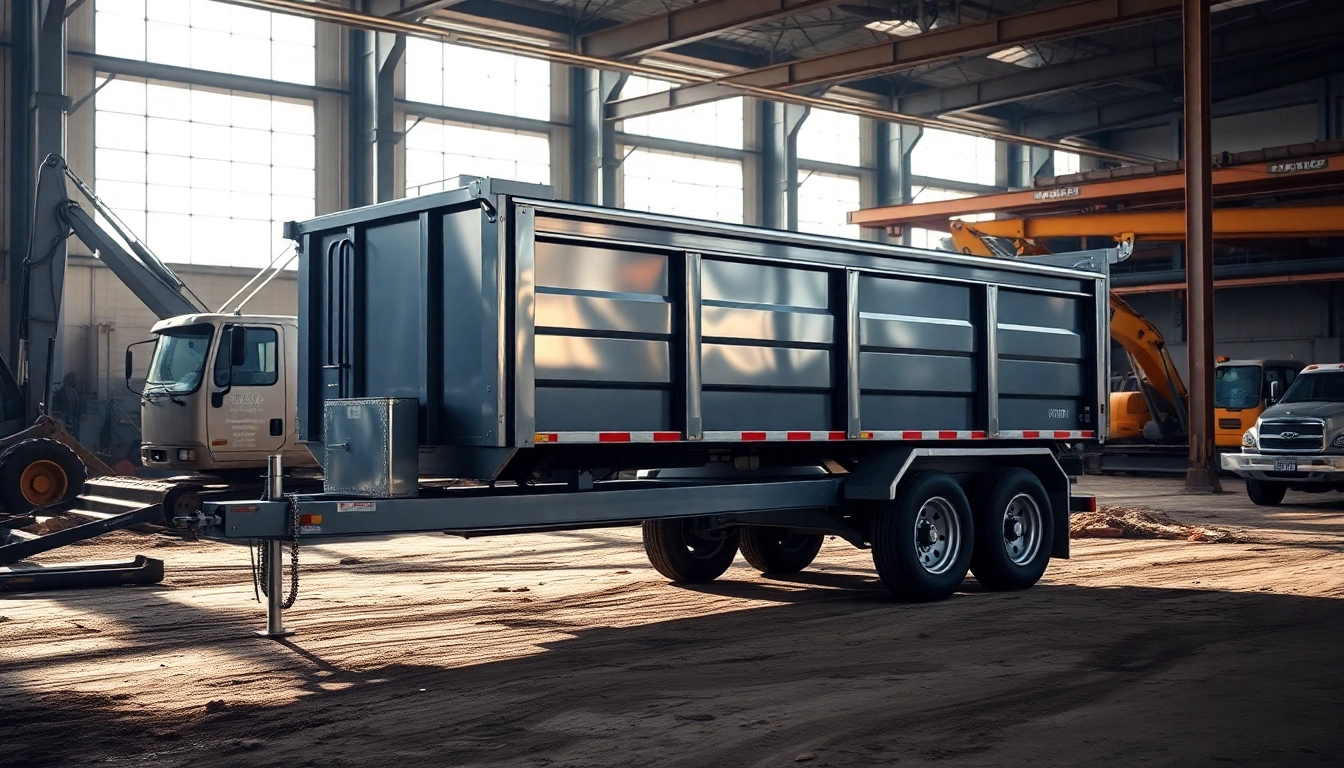
A dump trailer is a specialized trailer equipped with a hydraulic lift system that allows for the easy unloading of materials. These trailers are designed primarily for transporting loose materials, such as dirt, sand, gravel, and debris. The tipping mechanism employed by dump trailers enables users to lift the trailer bed, allowing the load to slide out from one end, which essentially streamlines the process of unloading heavy or bulky items on job sites.
Common Types of Dump Trailers
Understanding the different types of dump trailers is essential for selecting the right one for your needs. The most common types include:
- Single Axle Dump Trailers: These are smaller and more compact, ideal for residential or smaller commercial projects.
- Tandem Axle Dump Trailers: These trailers have two axles and can carry heavier loads, making them suitable for larger construction projects.
- Gooseneck Dump Trailers: Designed with a gooseneck hitch, these trailers offer better towing stability and are commonly used for heavy-duty applications.
- Half-Ton Dump Trailers: A middle ground, these trailers are designed for users who need a balance between size and load capacity.
Key Components and Specifications
Dump trailers are characterized by several key components that impact their performance and usability:
- Payload Capacity: Most dump trailers have a payload capacity ranging from 3,000 to over 14,000 pounds.
- Construction Material: Common materials include steel for enhanced durability and aluminum for a lightweight option that resists corrosion.
- Hydraulic Pump: A robust hydraulic system ensures smooth lifting and lowering actions for efficient unloading.
- Bed Size: The dimensions of the trailer bed are critical for ensuring it meets the requirements for specific projects.
Benefits of Using a Dump Trailer
Efficiency in Transportation
When it comes to transporting materials, efficiency is paramount. A dump trailer allows for quick loading and unloading, minimizing time spent on each job. The hydraulic lift system can significantly reduce labor costs since less manpower is needed for unloading. Plus, dump trailers can be quickly attached to a tow vehicle, making them extremely versatile for different projects.
Cost-Effectiveness for Projects
Investing in a dump trailer can lead to substantial cost savings in the long run. Landscaping, construction, and waste management projects often necessitate the transport of heavy materials. By using a dump trailer instead of hiring a truck and driver or making multiple trips, you can complete your tasks faster and more economically. Especially for contractors, owning a dump trailer reduces overhead expenses and enhances profit margins.
Durability and Design Considerations
Durability is a key factor when choosing a dump trailer. With robust construction, these trailers are built to withstand harsh conditions, whether on a job site or on the highway. Features such as reinforced frames and high-quality suspension systems contribute to longer lifespans. Additionally, the design of a dump trailer should accommodate the specific needs of its users. For instance, a trailer with a low bed height can make loading and unloading easier.
Choosing the Right Dump Trailer for Your Needs
Assessing Load Capacity Requirements
Determining the right load capacity for a dump trailer is crucial. Users must assess the weight and volume of materials they typically transport. For example, typical landscaping materials such as soil or mulch may vary significantly in weight. Always consult the specifications provided by the manufacturer to ensure that the chosen trailer meets your needs.
Identifying Trailer Size and Dimensions
Selecting the appropriate size and dimensions of a dump trailer directly impacts its functionality. A larger trailer might be beneficial for significant construction projects, but it may be cumbersome to maneuver in tighter spaces. Conversely, a smaller trailer offers greater mobility but might limit load capacity. Reviews from prior users and consultations with professionals can aid in making the correct decision.
Understanding Trailer Material and Build Quality
The material used in the construction of a dump trailer determines its suitability for various tasks. Steel trailers, while heavier, provide unmatched durability and resistance to wear under heavy loads. On the other hand, aluminum trailers are lighter and rust-resistant, making them easier to tow. The choice of material should also consider the environments in which the trailer will be primarily used.
Maintenance Tips for Your Dump Trailer
Regular Inspection Practices
Routine inspections are vital to maintaining the longevity of a dump trailer. Users should inspect the trailer regularly for signs of wear and tear, including brakes, tires, and the hydraulic system. Ensure that the bed is free from debris and that all moving parts are properly lubricated. Adopting a proactive approach to maintenance can help detect potential issues before they escalate into costly repairs.
Common Repairs and Troubleshooting
Familiarity with common repairs can save time and money. Issues such as hydraulic leaks, brake failures, or electrical component malfunctions require prompt attention. If the trailer doesn’t lift properly, it might be due to low hydraulic fluid levels or a malfunctioning hydraulic pump. Keep a maintenance manual handy for troubleshooting guidance and repair procedures.
Cleaning and Winterization Tips
Cleaning your dump trailer should be part of regular maintenance. After each use, remove remnants of materials to avoid corrosion. During winter months, consider winterizing your trailer by draining all fluids and covering it to protect it from the elements. Ensure that the hydraulic system is in top condition by checking seals and hoses for any wear or damage.
Frequently Asked Questions About Dump Trailers
What is the average cost of a dump trailer?
The average cost of a dump trailer varies widely based on type and specifications. Prices can range from a few thousand dollars for smaller models to over $14,000 for larger, heavy-duty trailers.
How much weight can a dump trailer carry?
Dump trailers commonly have a weight capacity between 3,000 to 14,000 pounds. Ensure you choose a model that meets your specific load requirements.
Can I customize my dump trailer?
Yes, many manufacturers offer customization options for dump trailers, allowing you to tailor features such as size, material, and extra additions like ramps or toolboxes.
What maintenance is required for dump trailers?
Regular inspections, cleaning, lubrication of moving parts, and addressing any repairs promptly are essential for keeping a dump trailer in good condition.
Are there regulations for using dump trailers on the road?
Yes, regulations vary by state and locality. Standards usually include weight limits, brake requirements, and proper tail lights or reflectors for safety.